All Categories
Featured


Building Scalable Research Centers in 2026
Table of Contents
Author: Jessie JacksonJessie Jackson is a Senior Specialist, Practice Lead in OSF Digitals Technique group. She has 20+ years of experience as an omnichannel digital commerce magnate in the D2C market. Jessie assists OSF clients with tactical preparation, business management and creating remarkable consumer experiences.
It involves automation, information, AI, and cloud to improve service operations. From logistics automation to virtual health care, improvement can drive both innovation and efficiency.
In this post, we'll explore how organizations are welcoming digital transformation, where initiatives are focused, and why it remains a top priority for organizations looking for to stay competitive in an increasingly busy, tech-driven world. Digital transformation includes making use of the most current digital innovations to essentially reshape how a service runs. While digital transformation became a mainstream business vital in the 2010s, the roots go even more back, beginning with digitization in the 1980s and '90s.
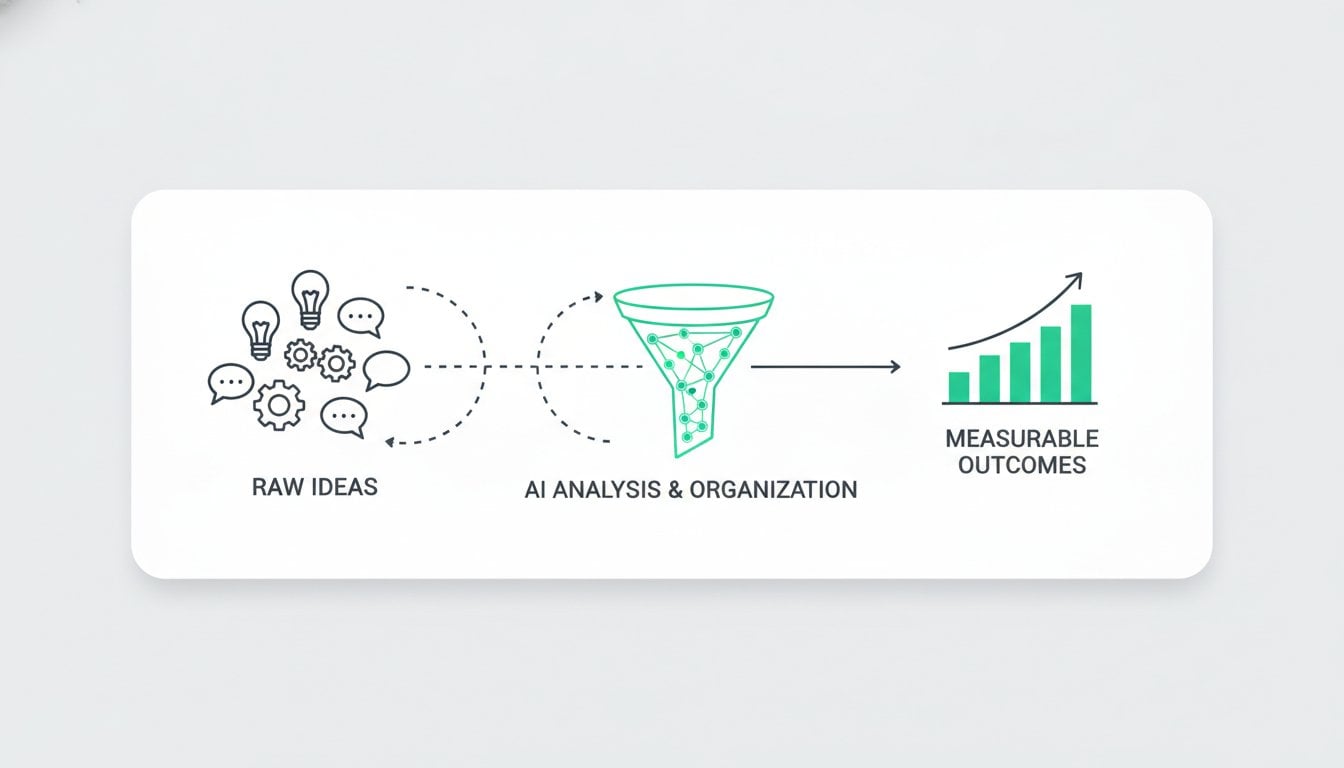
Leading High-Impact Digital Hubs in Transition
The term "digital improvement" itself began acquiring traction around 2011, when it was utilized to describe the wider organizational effect of innovation shifts. But true digital transformation surpasses IT upgrades or improving existing workflows. It utilizes innovative technologies to reimagine those processes entirely, unlocking brand-new forms of value for consumers and driving long-lasting growth.
Let's clarify with an example from client service: Suppose a company moves from phone-based support to email or introduces a chatbot for after-hours queries. This new system provides 24/7 personalized service across channels like chat, e-mail, and mobile apps.

Digital improvement essentially alters the nature of assistance, making it more innovative, personal, and always offered. That's digital change: an essential shift in how worth is provided through technology.
How Smart Infrastructure Fuels Enterprise InnovationThe majority of digital improvement efforts focus on these key areas: Automated workflows change manual procedures, lowering errors, increasing effectiveness, and making it possible for workers to concentrate on higher-value tasks. Continuously rethinking how value is delivered by simplifying digital journeys, speeding up assistance, and personalizing experiences throughout all channels. Legacy systems frequently sluggish development.
Real-time information and analytics offer insights into performance and consumer habits, enabling smarter, quicker decisions. Unifying platforms and processes break down department silos, enhances cooperation, and gives management a comprehensive view of operations.
Building High-Performance Innovation Hubs in 2026
According to Harvard Service Evaluation, effective digital transformation tends to include 5 interconnected components:: Getting the right leadership, culture, and talent in place.: Collecting clean, high-quality information throughout systems.: Turning that data into usable insights through analytics.: Operationalizing insights throughout workflows, systems, and decisions.: Measuring results and refining strategies based upon efficiency.
Other reputable frameworks, like McKinsey's 7S model or BCG's Digital Acceleration Index, likewise highlight the significance of aligning strategy, structure, and people to drive significant improvement. The precise framework matters less than making sure all elements of the business are lined up and evolving together. The five primary parts of digital change consist of people, information, insights, action and results.
Here are some specific real-world benefits can you expect: Leveraging the current technologies enables you to rethink your entire organization model. Early adoption or pioneering new tools can help you approach obstacles in special ways, grow market share, and remain ahead while competitors are still catching up. Digital change enables you to enhance the customer journey from start to end up.
Automating manual jobs streamlines workflows, minimizes errors, and frees employees to focus on higher-value work. These effectiveness lead to cost savings through better resource allocation, fewer traffic jams, and, sometimes, minimized staffing requirements. Real-time data and integrated systems offer groups with improved presence, enabling your company to react and adjust rapidly to market modifications, consumer demands, or internal difficulties.
Accelerating Tech Research Workflows for Growth
Here are some common difficulties to be conscious of:. Adopting advanced technology is pricey, specifically when establishing brand-new options. Beyond the innovation itself, training, recruitment, and unforeseen downtime can add to expenses. The long-lasting ROI is favorable, however profitability isn't instant. A total overhaul of existing processes can produce real unpredictability for employees.

Latest Posts

Smart Infrastructure and the Future of Corporate R&D

R&D Hubs Versus Traditional Corporate Models
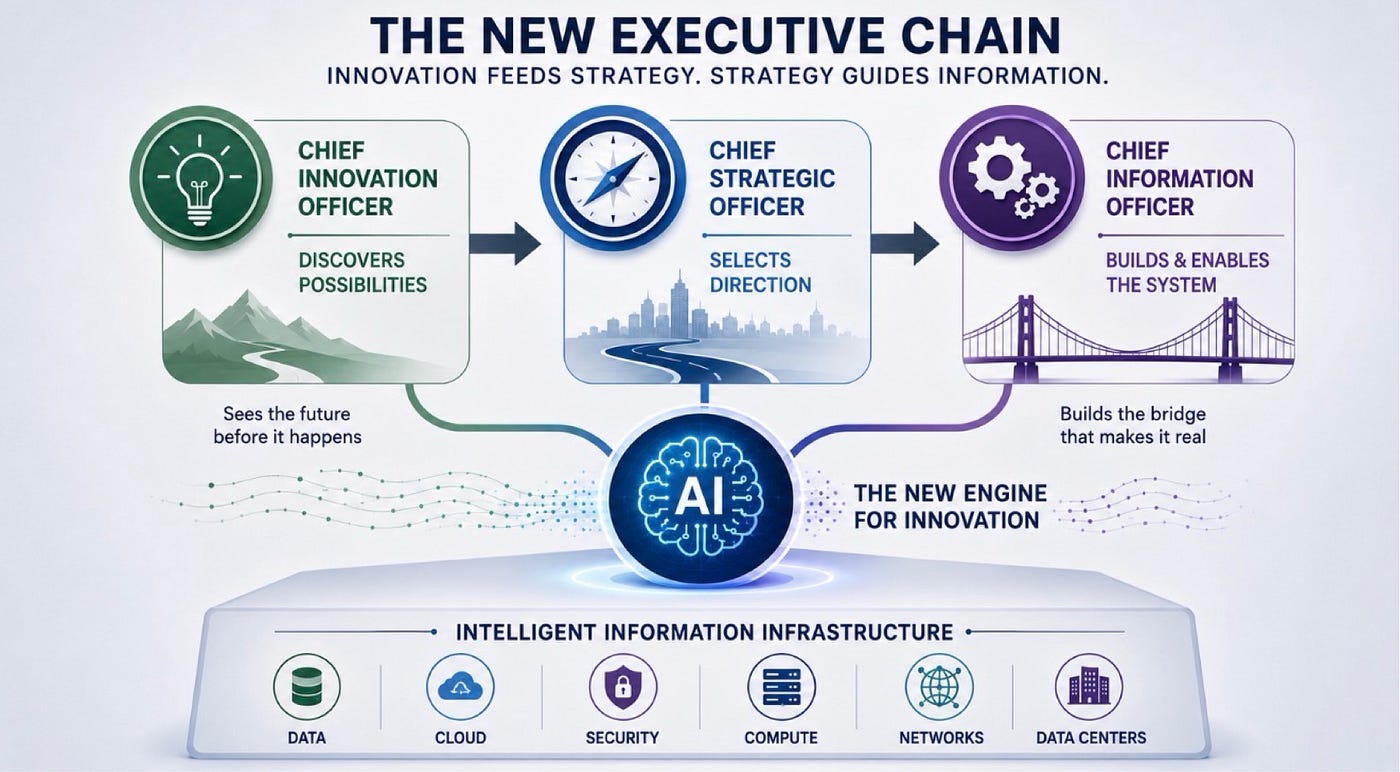
Role of Smart Systems in 2026 R&D